
Manpower Documentation Requirements for Russia Jobs: A Complete Guide

Manpower Documentation Requirements for Russia Jobs

Manpower Documentation Requirements for Russia Jobs: A Complete Guide

Planning to work in Russia is a big step, and getting your paperwork right from the start makes all the difference. Understanding the Manpower Documentation Requirements for Russia is the first thing any serious job seeker needs to do before applying for any position abroad.

Russia offers strong career opportunities in sectors like oil and gas, construction, healthcare, IT, and manufacturing. But the documentation process is very specific, and missing even one paper can delay your application by weeks or even months.

Whether you are applying independently or through an agency, this guide breaks down every document you will need, the correct order to get them in, and how to avoid the most common mistakes people make during the process.

Russia Work Visa Documents: What You Must Have Ready

Russia Work Visa Documents

Before anything else, you need to gather all the core Russia work visa documents that the Russian immigration authority and your employer will require. These are non-negotiable and form the foundation of your entire application.

Core Documents for a Russian Work Visa

Your valid passport must have at least 18 months of validity remaining beyond your intended stay. A work invitation letter from a Russian employer registered with the Ministry of Internal Affairs is also required as part of the official documents Russia work visa documents package. Without this employer-issued invitation, your visa application will not be processed.

Additional documents include your completed visa application form, two recent passport-sized photographs, a medical certificate showing you are free from infectious diseases, and proof of your qualifications relevant to the job you have been offered.

How Russia’s Manpower Recruitment Process Works

Understanding how Russia’s manpower recruitment system operates helps you know exactly which stage each document is used at. The process typically moves through four stages: employer registration, candidate shortlisting, documentation verification, and visa processing.

The employer in Russia must first obtain a work permit quota approval from the Russian Ministry of Labour. Once that is approved, they issue a formal invitation for each candidate. This invitation triggers the documentation phase on the candidate’s side.

Russia’s manpower recruitment system is structured but very procedural. One skipped step or a wrongly attested document can reset the entire process. That is why most successful candidates rely on experienced professionals to guide them through each stage rather than going it alone.

Full Checklist of Documents Required for Russia Jobs

Documents Required for Russia Jobs

The complete list of documents required for Russia jobs varies slightly by industry, but the following are standard across most sectors. Having these ready before you begin your application saves considerable time.

Standard Documents Every Applicant Needs

  1. Valid passport with a minimum of 18 months’ validity
  2. Official work invitation letter from a registered Russian employer
  3. Educational and professional certificates, attested by the Ministry of Foreign Affairs and the Russian Embassy
  4. Medical fitness certificate from an authorised health centre
  5. Police Clearance Certificate (PCC) issued within the last 6 months
  6. Two recent passport-sized photographs with white background
  7. Filled and signed Russian work visa application form
  8. Employment contract from the Russian company confirming your role and salary

These are the core documents required for Russia jobs across sectors like construction, oil and gas, and healthcare. Some industries may also ask for trade certificates, safety training records, or language proficiency proof.

Why a Russia Job Consultancy Makes the Process Easier

Many candidates underestimate how time-consuming and complex the documentation phase can be. A reliable Russia job consultancy does not just help you find a job. They guide you through every step of the paperwork process, from attestation to embassy submission.

What a Good Consultancy Handles for You

A professional Russia job consultancy typically assists with document translation (as Russia requires most documents in Russian), attestation coordination, embassy appointment scheduling, and follow-up with the employer’s HR team for the work invitation letter.

For example, attestation alone involves multiple stages: university verification, state HRD attestation, Ministry of External Affairs (MEA) stamp, and finally the Russian Embassy stamp. Each step takes time, and any error means starting over. A consultancy handles this entire chain on your behalf.

How to Apply for Overseas Jobs in Russia the Right Way

Applying for overseas jobs in Russia is not the same as applying for a local position. The process is longer, the requirements are stricter, and the margin for error is much smaller. Starting with the right strategy matters a great deal.

Begin by getting your academic certificates attested well in advance, as this process alone can take 3 to 6 weeks. Simultaneously, get your medical check done at a government-authorised facility. While waiting, apply for your PCC from your local police department or passport authority.

Those who successfully land overseas jobs in Russia typically begin their documentation 8 to 12 weeks before their expected joining date. Starting late is one of the most common reasons candidates lose good job offers to better-prepared applicants.

Common Mistakes to Avoid with Manpower Documentation Requirements for Russia
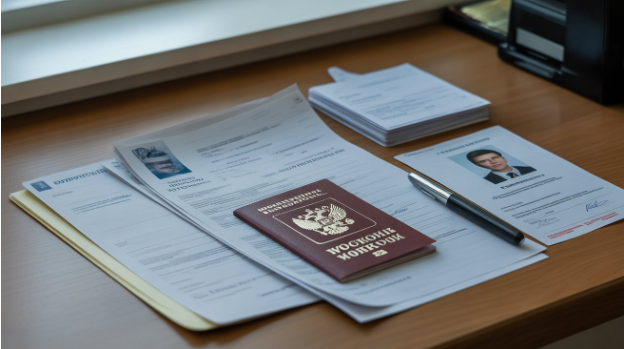
Common Mistakes to Avoid with Manpower Documentation Requirements for Russia

Knowing the Manpower Documentation Requirements for Russia is one thing. Avoiding the mistakes that derail applications is another. Here are the most frequent errors candidates make and how to stay clear of them.

  • Submitting expired documents: Your PCC and medical certificate both have validity windows. A PCC older than 6 months is typically rejected.
  • Incomplete attestation: Skipping any stage of the attestation chain leads to rejection at the embassy.
  • Wrong photo format: Russia requires specific photo dimensions and background colour. Using non-compliant photos causes delays.
  • Missing translation: All documents submitted to Russian authorities must be accompanied by a certified Russian translation.

Being thorough about the Manpower Documentation Requirements for Russia from day one saves you from these costly setbacks. Double-check every document against the official checklist before submission.

Final Thoughts

Manpower Documentation Requirements for Russia Jobs

Getting your documentation right is the single most important step in your Russia job journey. Errors slow you down, and delays cost you opportunities. The key is to start early, follow the checklist carefully, and work with professionals who know the system.

If you want expert support through every stage of the documentation and recruitment process, Swaidan HR is the partner you need. With years of experience placing candidates in Russia across various industries, Swaidan HR simplifies the complex and helps you focus on what matters most: landing the right job. Visit www.swaidanhr.com to learn more and get started.

Frequently Asked Questions (FAQs)

1. How long does the Russia work visa document process usually take?

The full process, including attestation and embassy submission, typically takes 8 to 12 weeks when started in advance.

2. Do I need to translate all my documents into Russian?

Yes, all documents submitted to Russian immigration and employer authorities must include a certified Russian language translation.

3. What is the validity period for a Police Clearance Certificate for Russia jobs?

A Police Clearance Certificate is generally accepted if it was issued within the last 6 months from the date of visa application.

4. Can I apply for Russia jobs without a work invitation letter from an employer?

No, the work invitation letter from a registered Russian employer is a mandatory document for processing a Russian work visa.

5. Which sectors have the highest demand for overseas jobs in Russia right now?

Oil and gas, construction, engineering, IT, and healthcare are currently the sectors with the strongest demand for international manpower in Russia.

How to Apply for a Saudi Government Job?

How to Apply for a Saudi Government Job in 2026

How to Apply for a Saudi Government Job?

For many professionals, landing Saudi government jobs represents more than a career milestone. It means job security, competitive compensation, structured benefits, and a chance to contribute to one of the most ambitious national transformation programmes in the world. Vision 2030 has opened the public sector to a broader range of talent, both Saudi nationals and, in specific roles, qualified international professionals, making 2026 one of the most active hiring periods the Kingdom’s public sector has seen in years.

But navigating the application process without a clear roadmap is frustrating. The platforms are specific, the eligibility rules are strict, and the document requirements catch many applicants off guard. Understanding exactly how the system works before you apply saves significant time and increases your chances of moving through the process successfully.

This guide walks you through every stage, from finding open positions and checking eligibility to submitting your application and preparing for what comes after. Whether you are a Saudi national or an expatriate professional exploring public sector opportunities, this is where to start.

How to Apply for Saudi Government Jobs: The Official Platforms

How to Apply for Saudi Government Jobs: The Official Platforms

Knowing how to apply for Saudi government jobs starts with knowing where to look. The Kingdom does not use a single centralised jobs board in the way some countries do. Instead, applications are handled across several official platforms depending on the ministry, the role category, and whether the position is open to Saudi nationals exclusively or to eligible expats in specialist roles.

The Jadarat platform, managed by the Human Resources Development Fund, is the primary portal for Saudi national job seekers targeting both private and public sector roles. For government-specific opportunities, the Ministry of Human Resources and Social Development portal lists civil service vacancies across ministries and public bodies. Larger entities like Saudi Aramco, SABIC, and the Royal Commission for Jubail and Yanbu maintain their own dedicated careers portals and recruit independently.

Step-by-Step: Submitting Your Application Through Official Channels

  1. Create a verified account on the relevant platform using your national ID (for Saudi nationals) or Iqama number (for eligible residents).
  2. Complete your profile in full, including educational history, professional certifications, and work experience. Incomplete profiles are often filtered out automatically.
  3. Search for open positions using job category, ministry, city, or salary grade filters to narrow results to roles that genuinely match your background.
  4. Upload required documents as specified in each job listing, including attested certificates, experience letters, and any role-specific licences.
  5. Submit and track your application through the platform dashboard. Most government portals send status updates by SMS and email at each stage of review.

Government Jobs in Saudi Arabia: What Sectors Are Actively Hiring?

When people talk about government jobs in Saudi Arabia, they often picture traditional civil service roles in ministries and administrative bodies. But the public sector in 2026 is far broader than that. Vision 2030 has pushed major state-linked entities into aggressive hiring across sectors that were once dominated by the private market, including technology, tourism, entertainment, logistics, and renewable energy.

The Ministry of Health is one of the largest single employers in the public sector, actively recruiting doctors, nurses, pharmacists, lab technicians, and hospital administrators across its network of over 2,400 hospitals and health centres. The Ministry of Education follows closely, with thousands of teaching and academic administration positions open annually across the Kingdom’s public school and university system.

Public Sector Entities Hiring at Scale in 2026

  • Ministry of Health: Doctors, nurses, allied health professionals, and hospital operations staff across all regions.
  • Ministry of Education: Subject teachers, curriculum specialists, school principals, and university lecturers.
  • Saudi Aramco: Engineers, geoscientists, IT specialists, project managers, and skilled tradespeople for upstream and downstream operations.
  • NEOM and Giga-Projects: Urban planners, architects, sustainability professionals, and construction supervisors for large-scale development projects.
  • Saudi Vision Authority and Tourism Bodies: Marketing professionals, heritage site managers, hospitality coordinators, and tourism development officers.

Saudi Arabia Recruitment Process: What Happens After You Apply?

Saudi Arabia Recruitment Process

Understanding the Saudi Arabia recruitment process for government roles helps you set realistic expectations and prepares you for each stage without being caught off guard. Unlike private sector hiring, which can sometimes move quickly from application to offer, public sector recruitment in the Kingdom follows a structured, multi-stage process that typically spans 6 to 16 weeks from application submission to final appointment.

After submission, applications go through an initial automated screening phase where the system checks basic eligibility, document completeness, and qualification alignment. Candidates who pass this stage are shortlisted for a written test, competency assessment, or panel interview, depending on the role and the ministry involved. Senior roles often require a presentation round as well.

Stages of the Government Recruitment Process in Detail

  1. Initial screening: Automated review of qualifications, nationality status, document completeness, and basic eligibility criteria.
  2. Written or aptitude test: Many ministries require candidates to sit a standardised knowledge or skills test, often conducted online or at designated testing centres.
  3. Competency interview: Panel-format interview assessing both technical knowledge and behavioural competencies aligned to the role requirements.
  4. Background and security clearance: Government roles require formal clearance checks covering criminal records, financial standing, and prior employment history.
  5. Offer and appointment: Successful candidates receive an official appointment letter specifying grade, salary band, and joining date, followed by onboarding procedures.

Saudi Job Eligibility Criteria: What You Must Meet Before Applying

Meeting the Saudi job eligibility criteria is the single most common reason applications fail before they are even reviewed by a human. The automated screening systems used across government portals are strict. If your profile does not match the stated requirements on a given criterion, the system will filter you out regardless of how strong your overall experience may be.

For Saudi nationals, the core eligibility requirements across most public sector positions include a minimum educational qualification (typically a bachelor’s degree for professional roles), an age limit that generally sits between 18 and 35 for entry-level positions, and no prior criminal record. Military service completion is required for male applicants in certain ministries.

Common Eligibility Conditions Across Saudi Government Roles

  • Nationality: Most government positions are restricted to Saudi nationals. Specialist and technical roles may be open to expats, but this is explicitly stated in the job listing.
  • Educational qualification: Degree requirements vary by role. Healthcare roles require licensed professional qualifications. Administrative roles typically require a minimum bachelor’s degree.
  • Age range: Entry-level roles commonly specify a maximum age of 35. Senior technical and management roles may allow older candidates.
  • Health fitness: A medical fitness certificate from an approved healthcare provider is required for most government appointments.
  • Clean record: No criminal convictions. Prior dismissal from government service for disciplinary reasons typically disqualifies applicants permanently.

Saudi Public Sector Jobs 2026: What Is Changing This Year?

The landscape for Saudi public sector jobs in 2026 is shaped by several developments that make this a genuinely different hiring environment from previous years. The government’s push to reduce unemployment among Saudi nationals has accelerated Saudization targets across public bodies, meaning more positions are being created specifically for Saudi citizens. At the same time, specialist roles in healthcare, technology, and engineering continue to attract qualified expat professionals where the Saudi talent supply is limited.

One of the biggest structural changes in 2026 is the continued expansion of the Jadarat platform’s capabilities. The system now integrates directly with university graduate databases, allowing ministries to reach qualified candidates before they even begin searching for roles. This means recent graduates who kept their academic profiles updated on official platforms have a measurable early access advantage over those who did not.

Trends Reshaping Government Hiring in Saudi Arabia This Year

Saudi Public Sector Jobs 2026

The digitisation of the entire application process is the most visible change for candidates in 2026. Gone are the days of submitting physical documents to ministry offices. The full application cycle from registration to appointment is now managed online, with biometric verification, digital document submission, and e-signatures replacing paper-based procedures at every stage.

The other major shift is the growing emphasis on competency-based assessments over qualification-only screening. Ministries are increasingly using structured behavioural interviews and skills tests to identify candidates who can perform in the role, not just those who hold the right degree on paper. Candidates who prepare specifically for competency-based questioning significantly outperform those who rely on their CV alone.

Practical Tips to Improve Your Chances of Getting Selected

Practical Tips to Improve Your Chances of Getting Selected

Knowing the process is one thing. Preparing to stand out within it is another. Competition for desirable Saudi government jobs is intense. The Ministry of Civil Service alone receives hundreds of applications for every publicly listed vacancy. The candidates who progress consistently are those who have done the preparation work before submitting, not after receiving an interview invitation.

Start by ensuring your profile on every relevant platform is complete, current, and consistent. Discrepancies between what you list online and what your documents show are one of the most common reasons candidates fail background checks. Make sure your degree attestations are up to date, that your experience letters are on official letterhead, and that your professional licences are within their validity period.

What the Strongest Applicants Do Differently

  • They tailor their application language to match the specific wording used in the job description, because screening algorithms often filter for keyword alignment.
  • They prepare thoroughly for the written aptitude or knowledge test, using publicly available past papers from relevant ministries where these exist.
  • They practise competency-based interview answers using the STAR method (Situation, Task, Action, Result) so their responses are structured and specific.
  • They apply early in the vacancy window, since some positions close as soon as a sufficient number of applications is received rather than waiting for the posted deadline.
  • They follow up professionally through official channels if they have not received a status update within the timeframe stated in the job listing.

Final Thoughts

Securing a government position in the Kingdom takes preparation, patience, and a clear understanding of how the system works at each stage. The process is more structured than many applicants expect, and the candidates who succeed are those who treat every stage, from profile creation to final interview, as a deliberate part of their strategy rather than an administrative formality.

If you are navigating the job market in Saudi Arabia and want guidance from a team that understands both the public and private sector landscape across the Gulf, Swaidan HR has been placing candidates across the region for over 30 years. From document preparation and visa support to career counselling and placement assistance, the team is equipped to support every stage of your job search in the Kingdom.

Whether you are a fresh graduate targeting your first public sector role or an experienced professional looking to transition into a government-linked entity, Swaidan HR brings the network, the knowledge, and the on-the-ground experience to give your application the best possible foundation. Reach out to the team and take the first step with the right support behind you.

Frequently Asked Questions (FAQs)

Q1. Can expatriates apply for Saudi government jobs, or are they restricted to Saudi nationals only?

Most government positions in Saudi Arabia are reserved for Saudi nationals, but certain specialist roles in healthcare, engineering, education, and technology are open to qualified expatriates where the required expertise is not yet available locally, and these positions are clearly marked as open to non-nationals in the official job listing.

Q2. What is the Jadarat platform and how do I use it to find government jobs?

Jadarat is the official online employment portal managed by the Human Resources Development Fund (HRDF) that connects Saudi nationals with job opportunities across both public and private sectors, and you can register using your national ID, build a full profile, and apply directly to listed vacancies through the platform’s online application system.

Q3. How long does the Saudi government recruitment process typically take from application to appointment?

The full recruitment cycle for Saudi government roles typically takes between 6 and 16 weeks, depending on the ministry, the seniority of the position, and the volume of applications received, with healthcare and education roles sometimes moving faster due to ongoing staffing demand, while senior management and security-clearance roles take the longest.

Q4. What documents do I need to prepare before applying for a Saudi government position?

Standard documents required for most government applications include a national ID or a valid iqama, attested educational certificates, an updated CV in Arabic and English, a medical fitness certificate from an approved provider, experience letters on official letterhead, and any professional licence or certification relevant to the specific role you are applying for.

Q5. Is Arabic language proficiency required for all government jobs in Saudi Arabia?

Arabic proficiency is required for most public-facing and administrative government roles, but specialist technical positions in sectors like healthcare, oil and gas, engineering, and IT often accept candidates who are proficient in English, with Arabic being preferred but not always mandatory, depending on the specific nature of the role and the ministry or entity involved.

Top 10 Benefits of Getting a Job Through a Recruitment Agency in Russia

Top 10 Benefits of Getting a Job Through a Recruitment Agency in Russia

Top 10 Benefits of Getting a Job Through a Recruitment Agency in Russia

Finding work abroad is exciting, but it comes with its own set of challenges. If you are considering building your career in Russia, working with a recruitment agency in Russia can completely change the game for you. From finding the right job match to handling paperwork, these agencies take away most of the stress that comes with international job hunting.

Russia has a growing demand for skilled professionals across industries like oil and gas, construction, engineering, healthcare, and IT. With so many opportunities available, it makes sense to have an expert by your side who understands the Russian job market inside and out.

In this article, we walk you through the top 10 benefits of using a professional recruitment agency to land your next job in Russia.

1. Access to Verified Jobs in Russia Through a Recruitment Agency

Verified Jobs in Russia Through a Recruitment Agency

One of the biggest advantages of working with a recruitment agency is getting direct access to verified and legitimate job listings. Many job portals are flooded with unverified posts that can waste your time or even put you at risk.

A trusted agency screens all employers before listing their vacancies. This means every job you apply for through them is genuine. You can focus on preparing for your interviews rather than worrying about whether the opportunity is real.

2. Expert Support from a Russian Job Consultancy

A professional Russia job consultancy does not just send you job links. They provide end-to-end career guidance. They assess your skills, help you build a strong CV, prepare you for interviews, and guide you on salary expectations in the Russian market.

This kind of personalised support is something you simply cannot get from a job board. Having someone in your corner who knows the local market is an advantage that can significantly speed up your hiring process.

3. Smoother Process for Overseas Jobs in Russia

Overseas Jobs in Russia

Relocating internationally involves a lot of moving parts. Work visas, travel arrangements, employment contracts, and housing are just a few things you need to sort before moving. Agencies that specialise in overseas jobs in Russia handle most of this coordination on your behalf.

They liaise with employers and government bodies to ensure your documentation is complete and accurate. What might take you months to figure out on your own can often be wrapped up in weeks when you have a professional agency managing the process.

4. Tailored Solutions from the Best Recruitment Agency for Russia Jobs

Not every job is the right fit, and not every candidate has the same goals. The best recruitment agency for Russia jobs understands this and takes the time to match candidates with roles that suit their specific skills, experience, and career ambitions.

For example, if you are a civil engineer with 7 years of experience, they will not send you junior-level listings. They will focus on senior roles in infrastructure projects where your background adds real value. This targeted approach saves time and increases your chances of getting hired.

5. Dedicated Assistance for a Russian Recruitment Agency for Indians

Indian professionals are highly sought after in Russia, especially in sectors like construction, healthcare, and technology. However, navigating foreign work laws and cultural norms can be tricky without local knowledge.

A Russian recruitment agency for Indians bridges this gap effectively. They understand the documentation requirements specific to Indian nationals, including ECNR passport holders, emigration checks, and attestation processes. This specialised knowledge is something generic job portals simply cannot offer.

6. Faster Hiring Timelines

Faster Hiring Timelines

Why Speed Matters in International Recruitment

When you apply independently, you often wait weeks just to hear back. Recruitment agencies already have established relationships with hiring managers and HR teams in Russia. They can fast-track your application and get you in front of the decision-makers much quicker.

In some cases, candidates placed through agencies receive job offers within 2 to 4 weeks of starting the process. That kind of speed can make a real difference when you are planning a life-changing move abroad.

7. Complete Visa and Documentation Support

Taking the Paperwork Stress Off Your Plate

Russia has specific requirements for work visas, including medical tests, police clearance certificates, and employment invitations from Russian companies. Getting even one document wrong can delay your entire plan by months.

A good agency ensures everything is done the first time correctly. They also stay updated on any changes to Russian immigration regulations, so you are always working with the most current information.

8. Salary Negotiation on Your Behalf

Knowing your worth in a foreign job market is tough. Most candidates either undersell themselves or ask for more than the market can offer in that region. A recruitment agency brings real data to the table.

They know what employers are paying for specific roles across different Russian cities, whether that is Moscow, Saint Petersburg, or Novosibirsk. Armed with this knowledge, they can negotiate a package that is fair for both sides, and usually better than what you would have secured on your own.

9. Access to a Wider Network of Employers

Post-Placement Support and Career Guidance

Top companies in Russia often do not advertise their vacancies publicly. They rely on trusted recruitment agencies to source the right talent. This means a large portion of the best jobs in Russia are only available through agency networks.

When you register with a reputable agency, you instantly get access to this hidden job market. That is thousands of opportunities that are never listed on public job portals. This alone makes working with a recruitment agency in Russia worth it.

10. Post-Placement Support and Career Guidance

A reliable agency does not disappear after you land the job. Many offer post-placement support to help you settle in, whether that involves resolving issues with your employer, helping you understand your contract terms, or assisting with housing queries.

This ongoing relationship gives candidates peace of mind. You know there is someone you can call if something goes wrong during your first few months abroad. That kind of support is priceless when you are far from home.

Final Thoughts

Working with a professional recruitment agency in Russia is one of the smartest decisions you can make when considering an overseas career move. From finding the right role to settling into your new life, the benefits are real and measurable.

If you are serious about making your Russian job search smooth, efficient, and successful, reach out to Swaidan HR. With deep industry expertise and a strong network of verified employers across Russia, Swaidan HR is the trusted partner you need to take your career to the next level. Visit www.swaidanhr.com to get started today.

Frequently Asked Questions (FAQs)

1. What industries are most in demand for overseas jobs in Russia?

Russia has a high demand for professionals in oil and gas, construction, IT, healthcare, and manufacturing sectors.

2. How long does it take to get a job through a Russian job consultancy?

The process typically takes 2 to 6 weeks, depending on the role, your qualifications, and the speed of documentation completion.

3. Is a Russian recruitment agency for Indians different from general agencies?

Yes, agencies that specialise in Indian candidates understand ECNR passport rules, emigration checks, and attestation requirements specific to Indian nationals.

4. Do recruitment agencies in Russia charge candidates a fee?

Reputable agencies are typically paid by the employer, not the candidate, so you should always verify the agency’s fee structure before proceeding.

5. How do I choose the best recruitment agency for Russia jobs?

Look for agencies with verified employer networks, positive candidate reviews, transparent processes, and a proven track record of successful overseas placements in Russia.